Lise’s Tastings Sessions — Episode 2: Pinot Noir — one grape, three interpretations
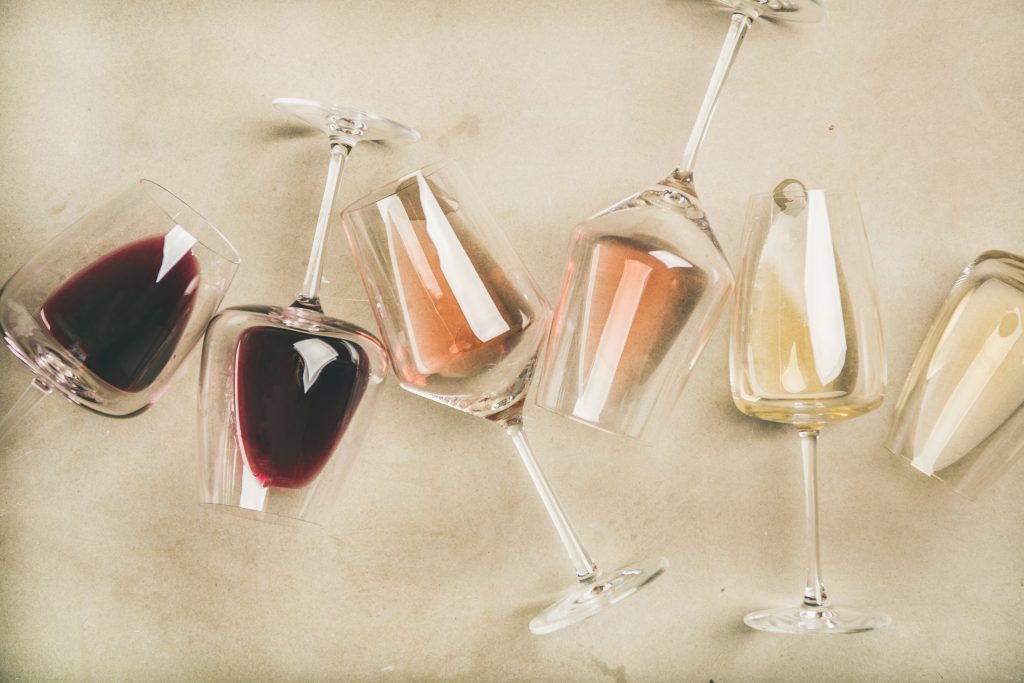
On the menu for this new tasting session: three wines and one grape variety — Pinot Noir. Widely grown in Burgundy, Pinot Noir is one of the most planted grape varieties in the world, with around 112,000 hectares. Its expression varies, among other factors, depending on climatic conditions. This is the theme Lise has chosen for this new tasting.
It feels almost like a ritual — everyone takes the same seat as before, facing three glasses filled two-thirds of the way. Three glasses of red wine, more precisely Pinot Noir. Today, Lise’s focus for this tasting is climate.
Cold, temperate, or warm, the grape expresses itself differently depending on the region in which it is grown. Pinot is a parent variety that notably gave rise to Chardonnay and Syrah. Pinot Noir is undoubtedly one of the most fascinating grapes to taste. Sensitive, precise, and demanding, it has a unique ability to reflect its environment. Through it, climate is not guessed — it is tasted.
Tasting is feeling
First glass: Burgundy
At first glance, the wine charms with its pale, limpid color. On the nose, the aromas are clean and delicate: redcurrant, fresh raspberry, sometimes with a hint of floral notes. On the palate, the impression is immediate — remarkable freshness. The acidity structures the wine, giving it energy, almost a sense of vibration. The tannins are fine and silky, and the finish is straight, taut, and very pure. A precise, elegant, almost crystalline wine that favors finesse over power.
Cold climate: precision and tension
👉 Bourgogne Roncevie — Domaine Arlaud — Morey-Saint-Denis. Aged in French oak barrels, including 0 to 20% new oak.
Second glass: New Zealand
The color is a deeper ruby. The nose opens with aromas of cherry, raspberry, blackberry, sometimes accompanied by slightly spicy notes. On the palate, the wine finds a remarkable balance — neither too sharp nor too rich. The acidity is present yet well integrated, the tannins are silky, and the texture is harmonious. The finish is long, spicy, and slightly smoky, with beautiful aromatic persistence. A balanced, harmonious wine that combines freshness, fruit, and elegance.
Temperate climate: perfect balance
👉 Clos Henri — Marlborough — New Zealand. Aged in French oak barrels, including 10 to 20% new oak.
Third glass: Côte Catalane — Roussillon
The color is deeper and more intense. On the nose, the aromas evolve toward ripe black fruits, stewed cherry, sometimes with spicy or lightly oaky notes. On the palate, the wine is fuller and rounder. The acidity is more discreet, giving way to a sense of warmth and volume. The tannins are supple, with a smooth, enveloping texture. The finish is generous, sometimes slightly jammy. An expressive, sun-filled yet precise wine that emphasizes richness and indulgence.
Warm climate: generosity and roundness
👉 Domaine du Clos des Fées — Perpignan — Côte Catalane — Pinot Noir. Aged in underground stoneware jars.
What this tasting reveals
Through these three wines, one thing becomes clear: Pinot Noir is a remarkable revealer of its climate.
- In a cold climate, it expresses tension and finesse
- In a temperate climate, it reaches an ideal balance
- In a warm climate, it reveals power and ripeness
Pinot Noir is never the same — and that is precisely what makes it so compelling.
Tasting these different expressions ultimately leads to one essential understanding: wine is, above all, a story of place, exposure, altitude, and of course, the winemaker…
Oak plays a key role in the balance of Pinot Noir, bringing structure, complexity, and length. Through slow micro-oxygenation, it softens the tannins and harmonizes the wine, while adding subtle notes of spice or toast. Conversely, without oak, the wine is more direct and fruit-driven, but often less structured and less complex. When used with precision, oak supports the wine without ever dominating it, providing the ideal conditions for it to evolve and improve over time.
“Wine is meant to be enjoyed… always in moderation.”
FURTHER READING


LET'S TALK!
A Question?